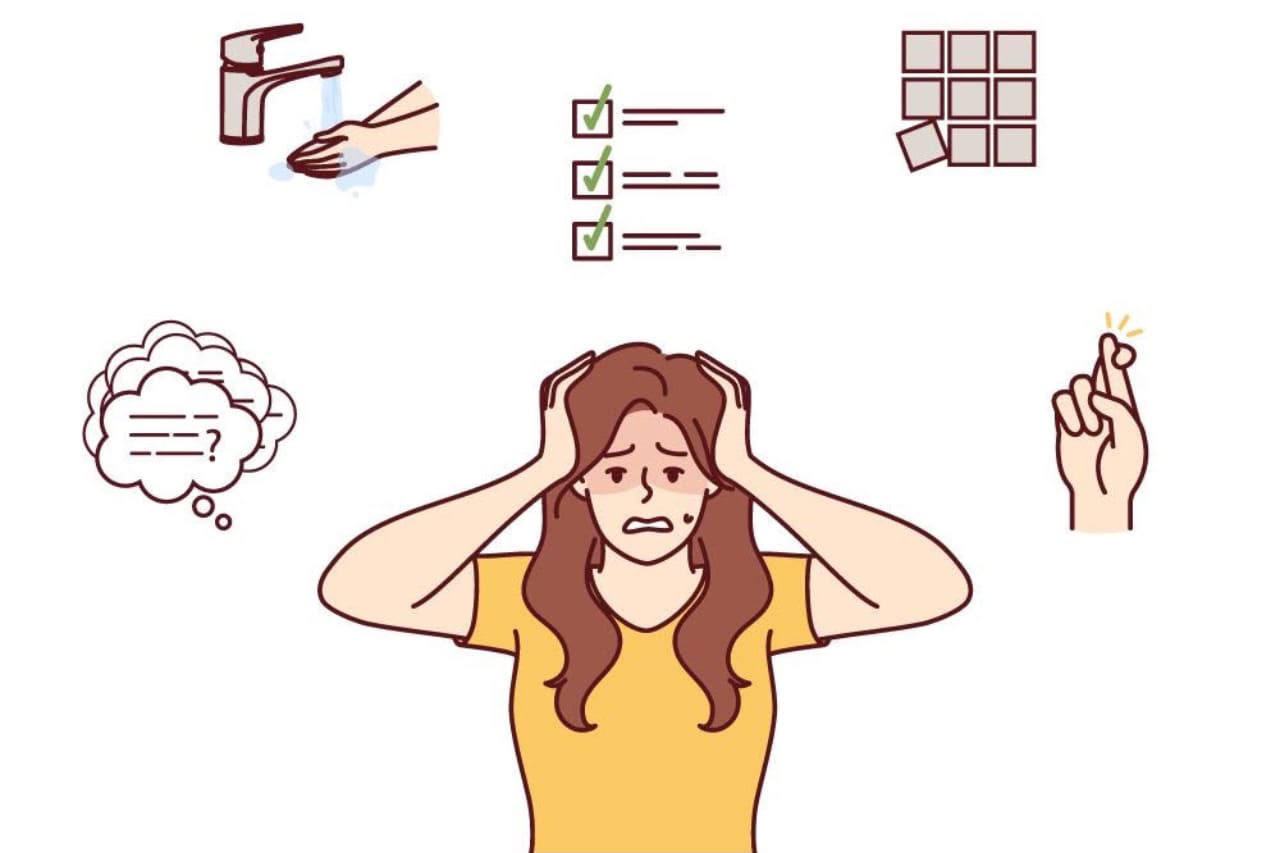

Everyone experiences unwanted thoughts from time to time. A random worry, an uncomfortable idea, or a thought that seems out of character can briefly cross anyone’s mind. For most people, these thoughts pass quickly. However, for individuals with OCD, these thoughts can become persistent, distressing, and difficult to ignore.
Understanding OCD thoughts is an important step toward reducing fear, building awareness, and seeking the right support. While these thoughts can feel overwhelming, they do not define who a person is or reflect their intentions.
What Are OCD Thoughts?
OCD thoughts are recurring, unwanted thoughts, images, urges, or doubts that create anxiety or emotional distress. They are often intrusive and difficult to control, even when the individual recognizes that they may not be rational.
These thoughts can become repetitive and may lead a person to engage in certain behaviors or mental rituals in an attempt to reduce discomfort.
Why Do OCD Thoughts Feel So Powerful?
OCD tends to attach importance to unwanted thoughts, making them feel urgent or meaningful. As a result, individuals may spend significant time analyzing, questioning, or trying to eliminate them.
The more attention given to the thought, the more persistent it can sometimes appear, creating a cycle that becomes difficult to break.
Understanding OCD Intrusive Thoughts
One of the most common experiences associated with OCD is OCD intrusive thoughts. These are unwanted thoughts, images, or impulses that seem to appear suddenly and repeatedly.
Intrusive thoughts can be disturbing because they often conflict with a person’s values, beliefs, or personality. Having these thoughts does not mean someone wants to act on them or agrees with them.
Common Types of OCD Intrusive Thoughts
-
Fear of Harm
Worries about accidentally harming oneself or others, even without any intention to do so. -
Contamination Concerns
Persistent fears about germs, illness, dirt, or contamination. -
Need for Certainty
Repeated doubts about whether something was done correctly or safely. -
Perfectionism-Related Thoughts
Strong discomfort when things feel incomplete, incorrect, or imperfect. -
Unwanted Disturbing Images
Recurring mental images that create anxiety or distress despite being unwanted.
Are OCD Thoughts Normal?
Experiencing occasional intrusive thoughts is actually common among many people. The difference is not necessarily the thought itself but the level of distress and attention it receives.
For individuals with OCD, thoughts may become difficult to dismiss, leading to repeated checking, reassurance-seeking, avoidance, or mental reviewing.
Thoughts Do Not Define Character
One of the most important things to remember is that unwanted thoughts are not a reflection of a person’s true intentions or values.
Many people with OCD become distressed precisely because the thoughts are inconsistent with who they are and what they believe.
How OCD Thoughts Can Affect Daily Life
When OCD thoughts become frequent or intense, they can affect multiple areas of daily functioning.
Difficulty Concentrating
Persistent mental distractions can make it harder to focus on work, studies, or conversations. Individuals may find themselves repeatedly returning to the same thought, making it difficult to stay present and engaged.
Increased Anxiety
The constant presence of unwanted thoughts can create ongoing emotional stress and worry. Over time, this heightened anxiety may impact overall emotional well-being and daily comfort.
Avoidance Behaviors
Some individuals may avoid situations, people, or places that they believe could trigger distressing thoughts. While this may provide temporary relief, it can sometimes limit participation in everyday activities.
Impact on Relationships
Repeated reassurance-seeking or emotional distress may sometimes affect personal and family relationships. Loved ones may find it difficult to understand the challenges the individual is experiencing, which can lead to misunderstandings.
How to Stop OCD Thoughts Naturally
Many people search for ways regarding how to stop OCD thoughts naturally. While there is no instant solution that completely removes intrusive thoughts, certain healthy strategies may help individuals manage them more effectively.
The goal is often not to eliminate every unwanted thought but to change the way a person responds to them.
Read in Depth: How To Stop OCD Thoughts Naturally
Practice Mindful Awareness
Mindfulness encourages individuals to notice thoughts without immediately reacting to them. This can help reduce the urge to engage with every intrusive thought. Over time, this practice may help create a greater sense of emotional distance from distressing thoughts.
Avoid Constant Reassurance Seeking
Repeatedly seeking reassurance may provide temporary relief but can sometimes reinforce the cycle of anxiety and doubt. Learning to tolerate uncertainty can help reduce dependence on external validation.
Maintain Healthy Daily Routines
Regular sleep, physical activity, and structured routines can support overall emotional well-being and resilience. Consistent habits can also provide stability during periods of increased stress or anxiety.
Reduce Stress Where Possible
Stress does not cause OCD, but it can sometimes make symptoms feel more intense. Healthy stress-management practices can be beneficial. Activities such as exercise, relaxation techniques, or hobbies may help improve emotional balance.
Accept the Presence of Unwanted Thoughts
Trying to force thoughts away often makes them feel stronger. Learning to acknowledge their presence without assigning them meaning can be a helpful step. Accepting that thoughts are not necessarily facts can reduce the distress they create.
When Should You Seek Professional Support?
While occasional intrusive thoughts are common, professional support may be beneficial if thoughts become persistent, distressing, or interfere with daily life.
A qualified mental health professional can help individuals better understand their experiences and develop effective coping strategies tailored to their needs.
Signs It May Be Time to Seek Help
-
Thoughts cause significant anxiety or distress.
-
Daily activities become difficult to manage.
-
Relationships or work are being affected.
-
Avoidance behaviors are increasing.
-
Reassurance-seeking becomes frequent.
Building a Healthier Relationship with Your Thoughts
Many people spend years trying to eliminate unwanted thoughts completely. However, recovery often focuses on changing the relationship with those thoughts rather than fighting them constantly.
Learning that thoughts are simply mental events, not facts, predictions, or reflections of character, can help reduce their power over time.
Conclusion
OCD thoughts can feel overwhelming, especially when they are repetitive, unwanted, and emotionally distressing. Understanding the nature of OCD intrusive thoughts can help reduce fear and challenge common misconceptions about what these thoughts mean.
For those wondering how to stop OCD thoughts naturally, it is important to remember that the goal is not necessarily to eliminate every thought but to develop healthier ways of responding to them. With the right support, awareness, and coping strategies, individuals can learn to manage OCD thoughts more effectively and improve their overall quality of life.
Frequently Asked Questions
OCD thoughts are recurring unwanted thoughts, images, urges, or doubts that create anxiety and are difficult to ignore.
OCD intrusive thoughts are unwanted thoughts or mental images that appear repeatedly and often cause significant distress.
No. OCD thoughts are often upsetting because they go against a person's values, beliefs, and intentions.
Healthy approaches may include mindfulness, stress management, structured routines, and learning to respond differently to intrusive thoughts rather than trying to suppress them.
Yes. Most people experience intrusive thoughts occasionally. In OCD, these thoughts become more persistent and distressing.
Professional support may be helpful if thoughts cause significant anxiety, interfere with daily life, or lead to avoidance behaviors and emotional distress.