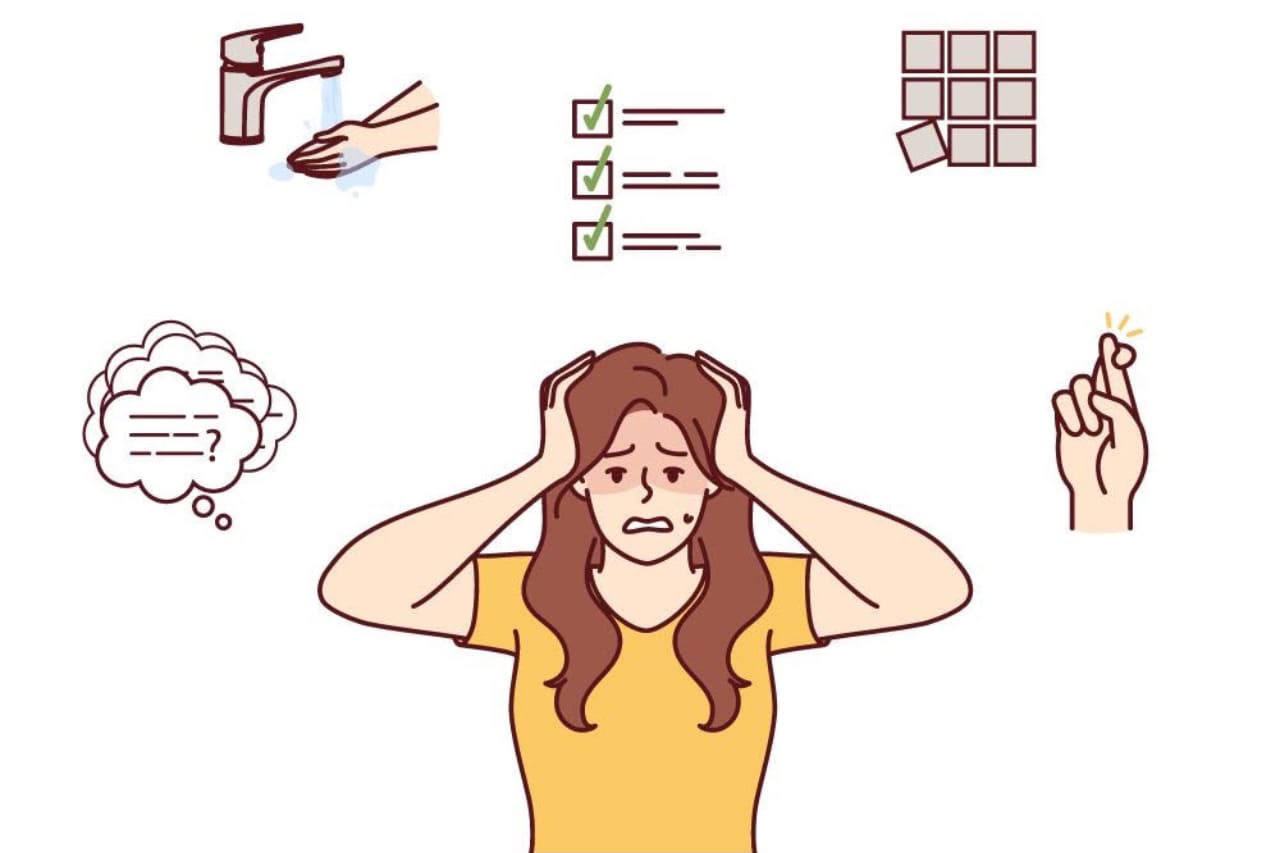

Physical symptoms don’t always have a clear medical explanation. Yet, for many people, the pain, discomfort, or distress they experience is very real. This is where somatoform disorders come into the picture. These conditions can significantly impact a person’s daily life, relationships, and emotional well-being, often leading to repeated medical consultations without a clear physical diagnosis.
A somatoform disorder is a mental health condition in which a person experiences persistent physical symptoms that cannot be fully explained by an underlying medical illness. These symptoms are genuine and often cause significant emotional distress, even when medical tests fail to identify a physical cause.
Different Types of Somatoform Disorders
The different types of somatoform disorders share a connection between emotional health and physical symptoms, but each has its own characteristics. Identifying the specific condition helps guide effective diagnosis and treatment.
Somatic Symptom Disorder
Somatic Symptom Disorder is one of the most common types of somatoform disorder. Individuals experience ongoing physical symptoms such as pain, fatigue, or digestive problems that cause excessive worry and interfere with daily functioning. The distress often goes beyond the severity of the physical symptoms, making everyday life increasingly challenging.
Illness Anxiety Disorder (Hypochondriasis)
Illness Anxiety Disorder, previously known as hypochondriasis, involves an intense fear of having or developing a serious illness despite little or no medical evidence. People may frequently check their bodies for signs of disease, seek repeated medical reassurance, or avoid healthcare altogether due to fear. Among the different types of somatoform disorders, this condition is driven more by health anxiety than by severe physical symptoms.
Conversion Disorder (Functional Neurological Symptom Disorder)
Conversion Disorder affects the body’s voluntary motor or sensory functions. A person may experience symptoms such as temporary paralysis, tremors, difficulty speaking, seizures, or vision problems without an identifiable neurological cause. Emotional stress often plays a significant role in triggering these symptoms, making it one of the more complex types of somatoform disorder.
Pain Disorder
Pain Disorder is characterized by persistent pain that cannot be fully explained by a medical condition alone. The pain is genuine and can affect any part of the body, often becoming worse during periods of emotional stress. This condition can interfere with work, relationships, and daily activities if left untreated.
Body Dysmorphic Disorder
Body Dysmorphic Disorder involves an overwhelming preoccupation with perceived flaws in physical appearance that are either minor or not noticeable to others. Individuals may spend hours checking mirrors, seeking cosmetic procedures, or avoiding social situations.
Although now classified separately in modern diagnostic systems, it has historically been included among the different types of somatoform disorders because of its strong connection between psychological distress and physical concerns.
Factitious Disorder vs Somatoform Disorder
Factitious Disorder and somatoform disorders are often confused, but they are fundamentally different. In Factitious Disorder, a person intentionally produces or exaggerates symptoms to assume the role of a patient.
In contrast, individuals with the types of somatoform disorder genuinely experience their symptoms and are not consciously creating or pretending to have them. Understanding this distinction is important for accurate diagnosis and treatment.
Common Symptoms Across Somatoform Disorders
Although the different types of somatoform disorders present in unique ways, they often share a combination of physical discomfort and emotional distress. Recognizing these symptoms can help individuals seek timely professional support.
Physical Symptoms
Common physical symptoms include chronic pain, headaches, muscle aches, fatigue, dizziness, digestive issues, numbness, and unexplained weakness. These symptoms may persist despite normal medical test results and can significantly affect everyday activities. The intensity of the symptoms often varies from person to person.
Psychological Symptoms
Alongside physical complaints, many individuals experience excessive health-related anxiety, fear of serious illness, low mood, frustration, and emotional distress. Repeated doctor visits, constant symptom monitoring, and difficulty accepting reassuring medical results are also common. These emotional challenges can become just as disruptive as the physical symptoms themselves.
Treatment Options for Somatoform Disorders
The good news is that the types of somatoform disorder are treatable. With the right combination of therapy, medical guidance, and emotional support, individuals can learn to manage symptoms more effectively and improve their overall quality of life.
Cognitive Behavioral Therapy (CBT)
Cognitive Behavioral Therapy (CBT) is considered one of the most effective treatments for the different types of somatoform disorders. CBT helps individuals identify unhealthy thought patterns related to their symptoms and replace them with healthier coping strategies. Over time, it can reduce symptom-related anxiety and improve daily functioning.
Medication Management
While medication does not directly treat every somatoform disorder, it can be beneficial when anxiety, depression, or other co-existing mental health conditions are present. Antidepressants or anti-anxiety medications may be recommended as part of a broader treatment plan under the supervision of a qualified mental health professional.
Psychotherapy Approaches
In addition to CBT, other psychotherapy approaches can help individuals understand the emotional factors contributing to their physical symptoms. Therapy provides a safe space to process stress, trauma, and emotional conflicts while developing healthier coping mechanisms. A personalized treatment plan often produces the best long-term outcomes.
Living with unexplained physical symptoms can feel overwhelming, but recovery is possible with the right care. Understanding the types of somatoform disorder and recognizing the different types of somatoform disorders empowers individuals to seek timely support instead of struggling in silence.
At Proact Minds, experienced mental health professionals provide comprehensive assessments and evidence-based therapies to help individuals manage symptoms and regain control over their lives.
Frequently Asked Questions
Somatic Symptom Disorder is considered the most common among the types of somatoform disorder. It involves persistent physical symptoms accompanied by excessive concern and emotional distress.
Many people experience significant improvement with appropriate treatment. Therapy, lifestyle changes, and addressing underlying emotional factors can help individuals effectively manage symptoms and improve their quality of life.
Not exactly. Hypochondria, now known as Illness Anxiety Disorder, is one of the different types of somatoform disorders historically associated with excessive fear of illness. Somatoform disorders include several other conditions with different symptom patterns.
The duration of treatment varies depending on the type and severity of symptoms. Some individuals notice improvement within a few months, while others may benefit from longer-term therapy and ongoing support to achieve lasting results.